Retention Through Rewards: How Loyalty Programs Build on Welcome Bonuses in Britain's Betting Market
Written by Blake Müller · Sep 27, 2026
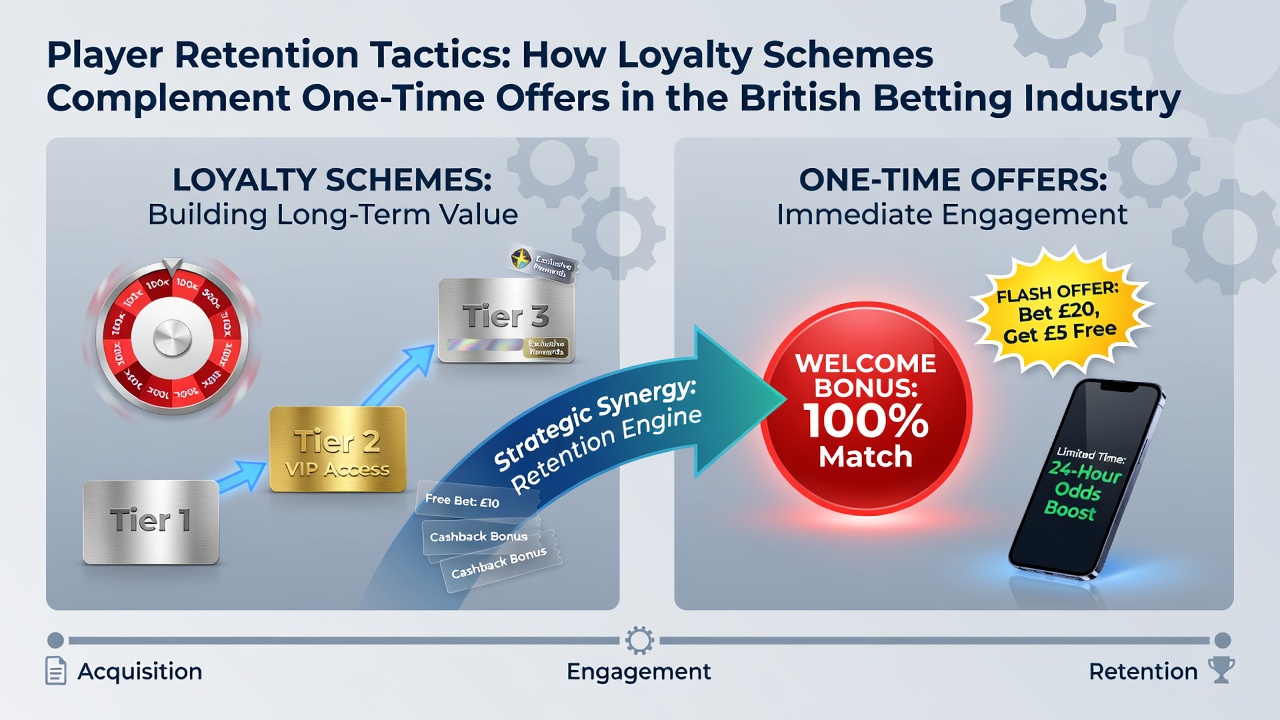
Retention Through Rewards: How Loyalty Programs Build on Welcome Bonuses in Britain's Betting Market
Data from industry reports shows that one-time welcome offers attract new customers quickly, while loyalty schemes maintain engagement over longer periods, and operators in Britain combine these approaches to reduce churn rates. Research indicates that bettors who receive both types of incentives tend to place more consistent wagers throughout the year, according to figures compiled by several European gaming associations. Observers note that the British market, with its competitive landscape, relies on these layered strategies because single promotions rarely sustain activity beyond the initial period.
Structure of One-Time Offers in the Sector
One-time offers typically include matched deposits or free bets that new users claim upon registration, and these incentives drive sign-ups during peak seasons such as major football tournaments. Studies from academic institutions reveal that such promotions convert at high rates initially, yet retention drops sharply once the bonus expires unless follow-up mechanisms exist. Operators structure these offers with specific wagering requirements that encourage immediate activity, while the short lifespan creates urgency that brings users onto the platform.
Mechanics of Loyalty Schemes
Loyalty schemes award points for every bet placed, and these points convert into cashback, free bets, or exclusive event access that rewards ongoing participation. Figures from Canadian regulatory bodies indicate that tiered loyalty programs, which escalate benefits as users climb levels, increase average session lengths by noticeable margins compared to flat rewards. Those who track customer behavior report that loyalty members often return during quieter periods because accumulated benefits provide tangible value beyond the first deposit.
Integration Patterns Observed in Practice
Operators integrate loyalty schemes with one-time offers by automatically enrolling new users into reward programs upon claiming their welcome bonus, and this seamless transition keeps activity flowing without interruption. Research from the Responsible Gambling Council in Canada highlights that combined systems produce steadier revenue streams because the loyalty component activates right after the initial offer ends. One example involves a major bookmaker that links bonus funds directly to a points multiplier for the first month, giving users an early boost toward higher tiers.
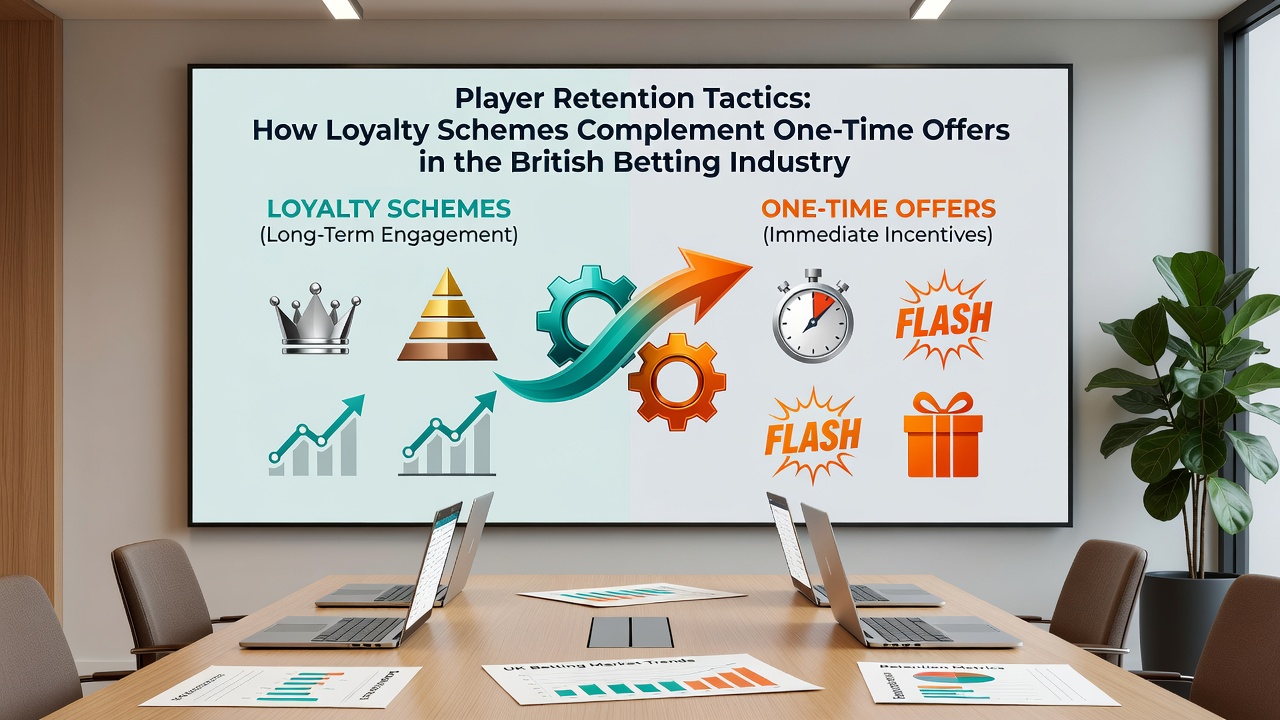
What's interesting is how timing plays a role, with many platforms sending personalized loyalty notifications within days of the welcome offer redemption. Data shows this approach maintains momentum, whereas delayed communication leads to higher drop-off. Experts have observed that personalization based on bet type and frequency strengthens the connection between the two tactics, turning one-off users into regular participants.
Market Data and Trends Through 2026
Reports compiled ahead of September 2026 project continued growth in loyalty program adoption across Britain, driven by regulatory emphasis on sustainable customer relationships rather than aggressive acquisition. Industry organizations in Australia and the EU have published parallel findings that layered incentives reduce the need for constant new-user promotions, which carry higher marketing costs. Those who've analyzed transaction volumes note that customers enrolled in both offer types generate higher lifetime values, particularly when loyalty rewards include non-monetary perks such as priority support or event invitations.
Yet the reality is that not every bettor responds equally, and segmentation allows operators to tailor loyalty benefits according to activity patterns established during the welcome period. Evidence suggests this targeted method improves efficiency, while broad-brush approaches dilute impact across user groups.
Conclusion
The combination of one-time offers and loyalty schemes creates a progression path that starts with acquisition and shifts toward retention without abrupt changes in user experience. Available statistics demonstrate measurable differences in engagement duration when the two elements connect directly, and operators continue refining these links through data analysis. As the British betting sector evolves, the documented patterns indicate that integrated retention models will remain central to maintaining stable customer bases across varying market conditions.