Loyalty Structures in British Betting: How Tiered Systems Are Redefining Customer Rewards
Written by Blake Müller · Nov 8, 2026

Loyalty Structures in British Betting: How Tiered Systems Are Redefining Customer Rewards
Established British betting platforms have shifted focus toward structured loyalty tiers that deliver recurring benefits based on sustained customer activity, and this approach has gained momentum through 2026. Observers note that operators now track betting volume, frequency, and account tenure to assign users to progressive levels, each unlocking scaled rewards such as enhanced cashback percentages, priority withdrawal processing, and tailored promotional access. Data from industry reports indicates these systems encourage longer-term engagement rather than isolated sign-up incentives.
Points accumulation forms the core mechanism across many platforms, where every wager converts into loyalty currency that advances users through bronze, silver, gold, and platinum categories. Research indicates that higher tiers often provide cashback rates climbing from 5 percent at entry levels to 15 percent or more at premium stages, with additional perks including birthday bonuses and exclusive event invitations. Those who've examined platform mechanics find that tier status typically resets on an annual cycle, prompting consistent participation to maintain benefits.
Mechanics Behind Tier Progression and Reward Scaling
Operators calculate advancement using algorithms that weigh total stakes against time frames, and this creates clear pathways for users to climb levels through regular play. For instance, reaching silver status might require £5,000 in cumulative bets over three months, while gold demands double that amount alongside minimum monthly activity thresholds. Studies from European gaming associations show that once users reach elevated tiers, ongoing rewards expand to include free bet multipliers and reduced wagering requirements on promotions, shifting the emphasis from acquisition to retention.
But here's the thing: these programs integrate wth broader account features, such as personalized odds boosts that activate automatically for tier members during major sporting events. Figures reveal that platforms in Britain have expanded these offerings steadily, with November 2026 data highlighting increased tier-related promotions tied to football and horse racing seasons. What's interesting is how some operators now offer tier protection periods, allowing users a grace window if activity dips temporarily without losing status.
Comparative Analysis Across Major Operators
Established names like those operating under UK licenses demonstrate varied implementations, where one platform might prioritize cashback while another emphasizes experiential rewards such as hospitality packages at stadiums. According to analyses from the Canadian Responsible Gambling Council, tiered structures in similar markets correlate with higher average user lifetimes when rewards align with spending patterns. Observers note that British platforms often layer additional elements like loyalty store redemptions, letting accumulated points convert into merchandise or betting credits.
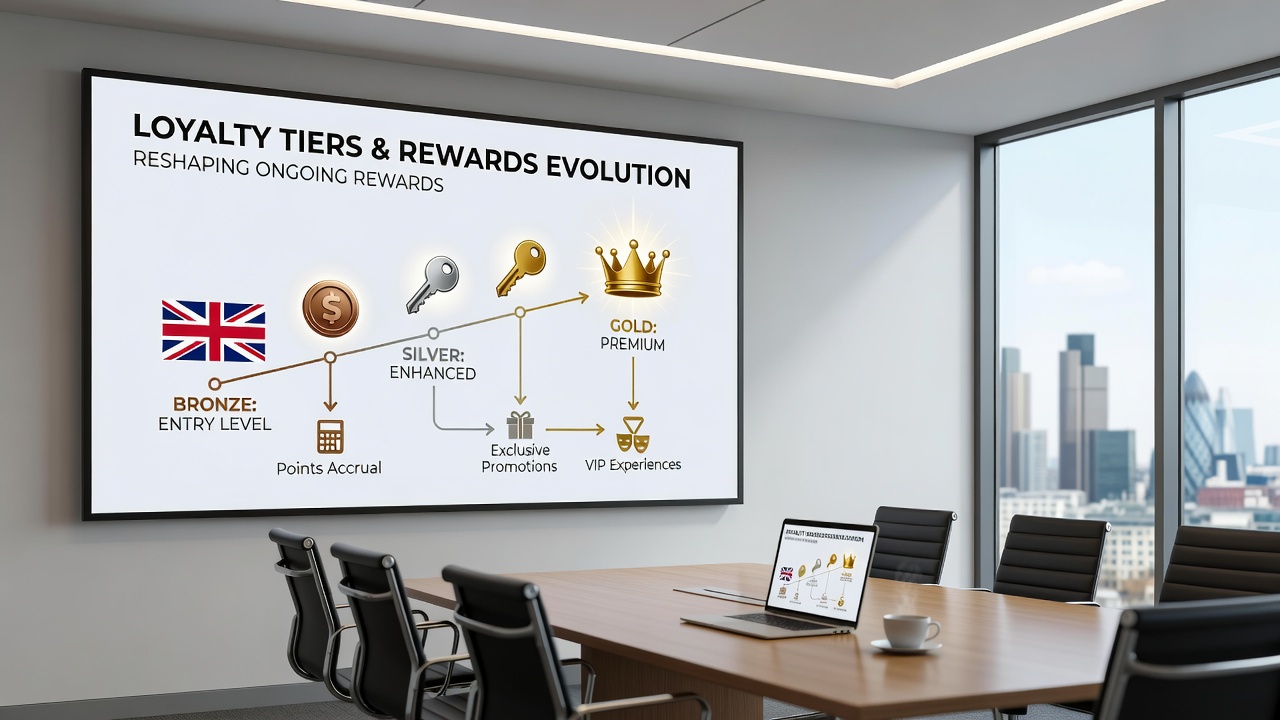
Turns out the integration of real-time tracking apps has made it easier for users to monitor progress toward the next tier, and this transparency helps sustain motivation. Research from Australian academic institutions on digital gambling platforms suggests that clear visual progress indicators reduce churn rates by providing tangible goals. Those studying British operators find similar patterns, with many sites now sending weekly summaries detailing points earned and upcoming milestones.
Regulatory Context and Industry Trends Through Late 2026
Broader oversight from bodies outside the primary UK regulator continues to influence how loyalty tiers operate, particularly around responsible play safeguards embedded in reward calculations. A report from the National Council on Problem Gambling in the United States highlights parallels where tiered systems incorporate spending limits that cap rewards once thresholds are met, and British platforms have adopted comparable features. Data shows these adjustments align with evolving standards across multiple jurisdictions.
Industry organizations such as the European Gaming and Betting Association have documented rising adoption of tiered models, noting that they allow operators to differentiate offerings without relying solely on welcome packages. As of November 2026, trends point toward greater personalization, where algorithms adjust rewards based on individual betting preferences like specific sports or bet types. This development connects directly to platform analytics that refine tier benefits over time.
Conclusion
Tiered loyalty programs at established British betting platforms have restructured reward delivery around sustained engagement metrics, replacing one-off bonuses with graduated, recurring advantages. Evidence from multiple research sources confirms that these systems track activity to assign levels, scale cashback and promotional access accordingly, and incorporate tools for user progress monitoring. Continued evolution through 2026 reflects adaptations to regulatory expectations and market demands for ongoing value, shaping how operators maintain customer relationships in a competitive environment.