Cashback and Loyalty Rewards: Sustaining Value in Betting Beyond Welcome Offers
Written by Avery Hansen · Nov 22, 2026
Cashback and Loyalty Rewards: Sustaining Value in Betting Beyond Welcome Offers
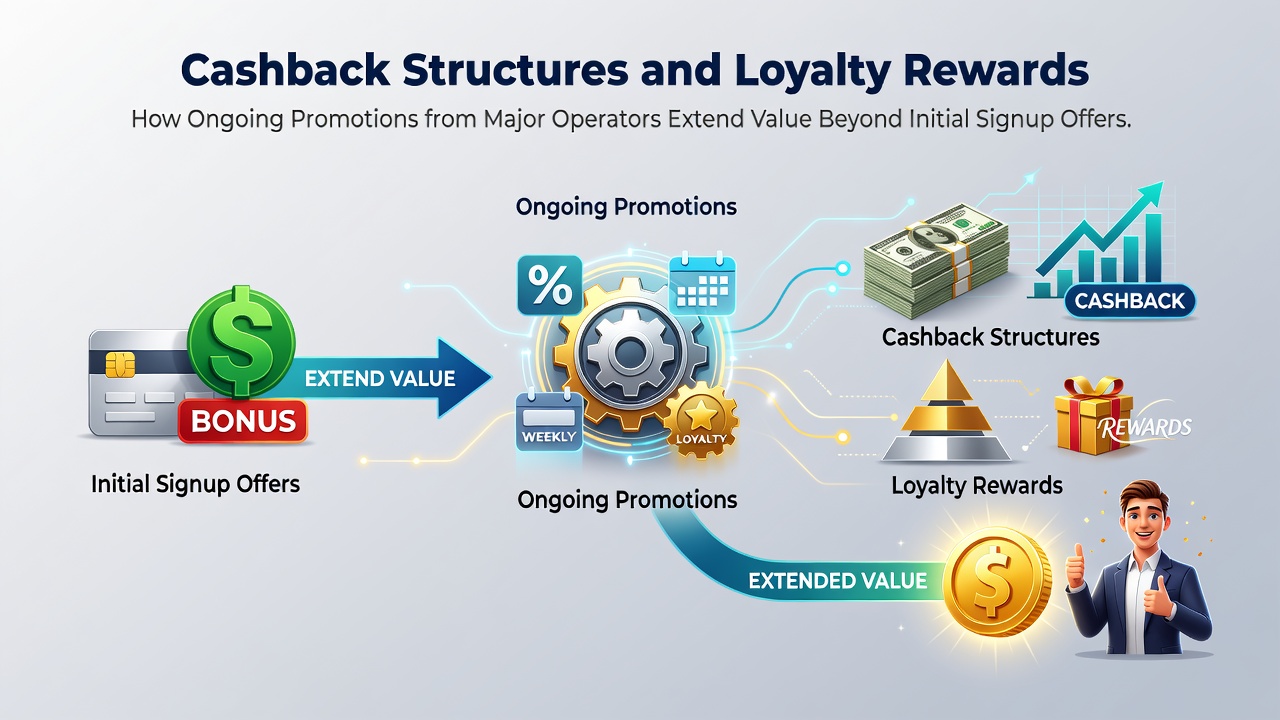
Operators in the betting sector have shifted focus toward retention mechanisms that deliver ongoing returns, and cashback structures represent one primary method where players receive a percentage of losses back as credit or cash during specified periods. These programs typically calculate refunds weekly or monthly based on net losses, with percentages ranging from 5% to 20% depending on the operator and player activity level, while loyalty rewards accumulate through points systems tied to betting volume and deposit frequency.
Mechanics of Cashback Programs
Cashback operates through automated tracking systems that monitor wagers and losses in real time, then issue credits without requiring manual claims in many cases, though some platforms mandate activation via account settings or promotional codes. Major operators structure these offers with minimum loss thresholds, such as £50 or equivalent, and cap maximum refunds to control liability, yet the recurring nature allows consistent value accumulation over months rather than one-time signup incentives. Data from industry analyses shows that participants in active cashback schemes maintain higher session frequencies compared to those relying solely on initial bonuses.
Turnaround times vary, with some providers crediting accounts within 24 hours of period end and others processing on the first of each month, and eligibility often extends to both sports betting and casino play across desktop and mobile interfaces. Observers note that operators adjust cashback rates seasonally, introducing higher tiers during events like major football tournaments or year-end promotions to sustain engagement through November 2026 and beyond.
Loyalty Reward Frameworks
Loyalty programs function via tiered membership levels where players progress by earning points from deposits, wagers, and sometimes referrals, unlocking benefits such as enhanced cashback percentages, free bets, or exclusive event access at higher tiers. These systems frequently incorporate VIP elements with dedicated account managers for top earners, and point redemption options include conversion to bonus funds or merchandise in select cases. Research indicates that multi-tier structures encourage sustained play because advancement requires consistent activity rather than isolated large deposits.
Points calculation formulas differ across platforms, typically awarding one point per £10 staked on sports or per £5 on slots, with bonus multipliers applied during promotional windows, and expiration policies prevent indefinite accumulation unless players maintain minimum activity. Those who have studied retention data find that loyalty members often receive personalized offers aligned with their betting patterns, extending perceived value through targeted rewards unavailable to standard users.

Integration with Broader Retention Strategies
Operators combine cashback and loyalty elements with reload bonuses and tournament entries to create layered value streams that activate after initial signup periods expire, and this approach aligns with findings from regulatory bodies like the National Council on Problem Gambling that track long-term player behavior across jurisdictions. In regions such as parts of Canada and Australia, similar frameworks appear in reports from provincial gaming authorities, demonstrating how recurring promotions reduce churn rates when measured against one-off welcome packages alone.
November 2026 data reveals increased adoption of hybrid models where cashback applies universally while loyalty points unlock progressive multipliers, creating compounding returns for active participants. External verification from sources including academic reviews at institutions like the University of Sydney's gambling studies unit confirms that transparent terms around wagering requirements and expiry dates correlate with higher program participation across multiple markets.
Comparative Operator Approaches
Different platforms emphasize distinct aspects, with some prioritizing instant cashback on daily losses and others focusing on quarterly loyalty resets that award larger prizes, yet all maintain compliance with local advertising standards that require clear disclosure of terms. Take one operator that introduced a 10% weekly cashback tier accessible after three months of membership, resulting in documented increases in average player tenure according to internal metrics shared with industry groups. Another case involved a points-based system where accumulated rewards converted directly to stake credits during off-peak months, sustaining activity levels when seasonal betting volumes typically decline.
Cross-platform comparisons show variations in minimum stakes for point earning and cashback caps, and players often migrate between operators to maximize combined benefits from overlapping promotions, though each account requires separate verification processes. Those who've examined aggregated industry reports note that operators publishing clear payout histories tend to retain higher proportions of their loyalty base over extended periods.
Conclusion
Cashback structures and loyalty rewards collectively extend operator value propositions by shifting emphasis from acquisition to retention, with mechanisms that reward volume and consistency delivering measurable returns long after initial signup incentives conclude. As platforms refine these systems through data-driven adjustments, participants gain access to structured opportunities that accumulate across regular betting cycles, supported by evolving regulatory oversight in multiple regions that prioritizes transparency in ongoing promotions.